
Call us now :08045813361
 Send Inquiry
 Send Inquiry
Liquid Oxygen Transport Tank
MOQ : 1 Unit
Liquid Oxygen Transport Tank Specification
- Material
- Stainless Steel
- Capacity
- 8000-20000 Litres
- Shape
- Cylindrical
- Application
- Liquid Oxygen Transportation
- Power
- Electric
- Voltage
- 220-440 V
- Product Weight
- Approx. 5200 kg
- Insulation Type
- Vacuum Insulated Double-Walled
- Safety Accessories
- Pressure Relief Valve, Burst Disc, Level Gauge
- Usage
- Industrial, Medical Gas Supply
- Tank Pressure Rating
- 16 Bar
- Standards Compliance
- ISO 9001 / ASME
- Filling Port Size
- DN50
- Mounting Type
- Truck Mounted/Skid Mounted
- External Finish
- Anti-corrosive Paint
- Discharge Rate
- 15 Nm3/hr
- Dimensions
- Length 6500 mm x Diameter 2300 mm
- Design Temperature
- -196C
Liquid Oxygen Transport Tank Trade Information
- Minimum Order Quantity
- 1 Unit
- Supply Ability
- 10 Units Per Month
- Delivery Time
- 90 Days
About Liquid Oxygen Transport Tank
The Liquid Oxygen transport tank is functional as an air separation plant of high efficiency and high durability. It allows for liquefaction of atmospheric air and ensures simple separation of the nitrogen. The tank works with the assistance of continuous cryogenic distillation. This is a double walled tank, specifically designed for well-organized storage of Liquefied oxygen. Offered tank has high storage capacity and makes no wastage or leaks.
Specification
| Capacity | 2000 L-1,50,000 L |
| Storage Material | Gases |
| Brand | UNIVERSAL BOSCHI |
| Usage/Application | Fuel Transportation |
| Orientation | Horizontal |
| Surface Treatment | Color Coated |
| Oxygen Purity | 99.7% |
| Nitrogen Purity | 99.9% |
| Pressure | 0.5 to 15 Mpa |
Superior Insulation and Safety
Boasting vacuum-insulated double-walled construction, the tank ensures minimal thermal loss and prevents external heat ingress. Coupled with advanced safety accessories such as a pressure relief valve, burst disc, and level gauge, the system guarantees secure and reliable liquid oxygen storage and transport. This design protects the tank from overpressure situations and potential hazards.
Robust Construction and Compliance
Built from high-grade stainless steel with a durable anti-corrosive exterior finish, this transport tank withstands challenging conditions and offers a long service life. Adhering to ISO 9001 and ASME standards, customers are assured of stringent quality and safety protocols throughout the manufacturing process, meeting international benchmarks for performance and reliability.
Versatility and Large Capacity
Designed for truck-mounted or skid-mounted applications, the tank is exceptionally versatile for various operational environments. Offered in capacities from 8,000 to 20,000 litres, it efficiently supports large-volume liquid oxygen transportation needs, making it an ideal choice for suppliers, exporters, and manufacturers within industrial and medical sectors.
FAQs of Liquid Oxygen Transport Tank:
Q: How does the vacuum-insulated double-walled design benefit liquid oxygen transport?
A: The vacuum-insulated double-walled structure minimizes heat transfer, maintaining the extremely low temperature required for liquid oxygen (-196C). This insulation reduces evaporation losses, ensuring safer and more cost-effective transportation over long distances.Q: What safety features are included with this liquid oxygen transport tank?
A: The tank is equipped with a pressure relief valve, burst disc, and level gauge to enhance operational safety. These components help regulate internal pressure, prevent over-pressurization, and allow for accurate liquid level monitoring during transit.Q: When should the pressure relief valve and burst disc be checked or replaced?
A: It is recommended to inspect the pressure relief valve and burst disc before every use or scheduled transportation. Replace them according to the manufacturers maintenance manual or immediately if any signs of wear, damage, or malfunction are detected.Q: Where can this tank be installed or operated?
A: The tank is designed for mounting on trucks or skids, making it suitable for both mobile and stationary installations. It can be used at industrial plants, hospitals, and distribution centers requiring liquid oxygen supply.Q: What is the process for filling and discharging liquid oxygen from the tank?
A: The filling port size is DN50, allowing secure connection to cryogenic fill lines. Discharge is conducted at a rate of 15 Nm/hr using compatible cryogenic equipment, ensuring efficient transfer to user systems while maintaining necessary safety standards.Q: What are the typical usages and benefits of this transport tank?
A: This tank is primarily used for transporting liquid oxygen for industrial operations or medical gas supply. Its robust insulation, safety features, and compliance with ISO/ASME standards ensure reliable, cost-effective, and safe delivery of critical gases.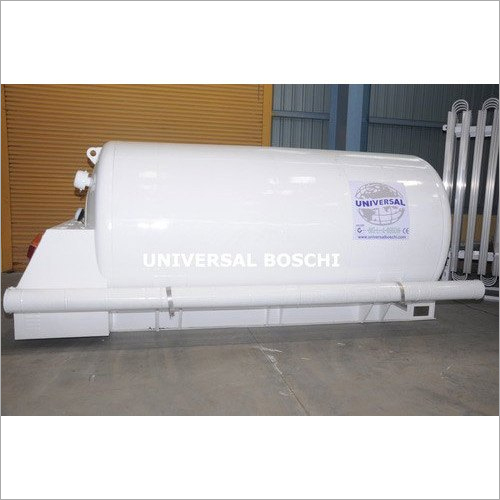
Tell us about your requirement

Price:
Quantity
Select Unit
- 50
- 100
- 200
- 250
- 500
- 1000+
Additional detail
Mobile number
Email

More Products in Liquid Tank Category
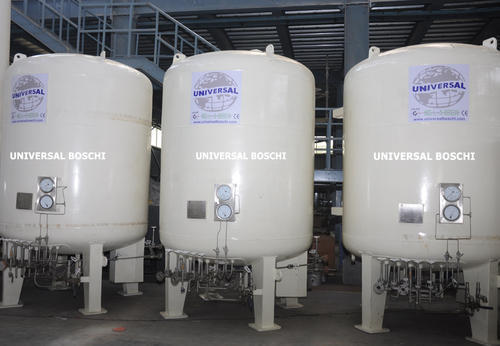
Liquid Storage Tank
Minimum Order Quantity : 1 , , Unit
Material : Stainless Steel
Voltage : 220440 V
Application : Industrial Liquid Storage
Power : 25 kW
Capacity : 50050000 Liters
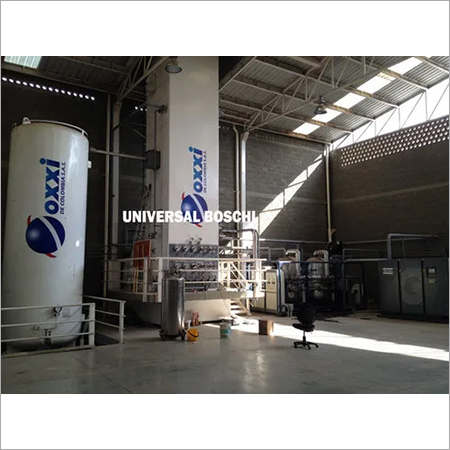
Liquid Oxygen Nitrogen Tank Filling Plant
Minimum Order Quantity : 1 Unit
Material : Stainless Steel Column

Our clients are spread out in a number of countries including Nigeria, bangladesh, Saudi Arabia, Nepal, Egypt, kenya, Indonesia, Yemen, ghana, Afghanistan, Somalia, Libea, Iraq, Iran, uganda, UAE, Oman, Qatar, Peru, Myanmar and Pakistan.

 Send Inquiry


Our Products


A-104/2, Okhla Industrial Area, Phase-2,New Delhi - 110020, India

Mr Jawaid Akhter
(Manager)
Mobile :08045813361
 Send Inquiry
 Send SMS
 Call Me Free
Developed and Managed by Infocom Network Private Limited.
 English
 Spanish
 French
 German
 Italian
 Chinese (Simplified)
 Japanese
 Korean
 Arabic
 Portuguese