
Call us now :08045813361
 Send Inquiry
 Send Inquiry
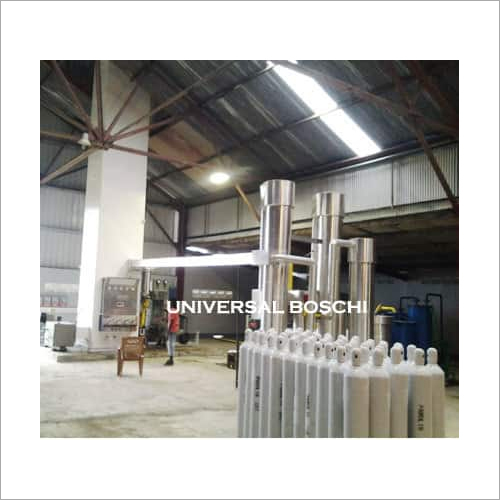
Liquid Nitrogen Tank Filling Plant
MOQ : 1 Unit
Liquid Nitrogen Tank Filling Plant Specification
- Type
- Liquid Nitrogen Tank Filling Plant
- Production Capacity
- 100 Liters/Hour
- Production Rate
- 100 Liters/Hour
- Computerized
- Yes
- Automatic Grade
- Fully Automatic
- Control System
- PLC Controlled
- Purity(%)
- 99.99%
- Voltage
- 380V
- Power
- 15 kW
- Working Pressure
- 7 Bar
- Weight (kg)
- 1600
- Dimension (L*W*H)
- 2200mm x 1300mm x 2000mm
- Color
- Silver
- Suitable For
- Medical, Industrial, Laboratory use
- Safety Features
- Pressure Relief Valve, Emergency Shutdown
- Design
- Cryogenic and Compact
- Tank Capacity
- Up to 5000 Liters
- Insulation Type
- Vacuum Insulated
- Cooling System
- Integrated Chiller
- Gas Detector
- Optional
- Ambient Temperature Range
- -20°C to +40°C
- Filling Method
- Auto and Manual
- Operating Temperature
- -196°C
- Noise Level
- <70 dB(A)
Liquid Nitrogen Tank Filling Plant Trade Information
- Minimum Order Quantity
- 1 Unit
- Supply Ability
- 10 Units, , Per Month
- Delivery Time
- 90 Days
- Packaging Details
- Wooden Packaging
- Main Export Market(s)
- Australia, North America, South America, Eastern Europe, Western Europe, Middle East, Central America, Asia, Africa
About Liquid Nitrogen Tank Filling Plant
Liquid Nitrogen Tank Filling Plant is suited for a variety of things. It can make the nitrogen at high level. It is good to use in a safer environment. The plant is accessible with greater efficiencies and quick operation. Offered plant can perform well in the long run. Liquid Nitrogen Tank Filling Plant has a critical function of shifting the liquid nitrogen. This is made to ensure substantial saving. An on-site nitrogen generation is accessible on a simple scale.
Specification
| Capacity | 600 Nm3/hour |
| Automation Grade | Automatic |
| Material | Mild Steel |
| Nitrogen Purity | 99.9% |
| Operating Air Pressure | 0.5 to 15 Mpa |
| Brand | UNIVERSAL BOSCHI |
| Color | White |
| Technology | ING L.&A. BOSCHI,ITALY (Since 1930) |
| Voltage | 440 V |
| Frequency | 50 Hz |
| Phase | 3 |
Engineered for Performance and Efficiency
This liquid nitrogen filling plant is designed for optimal efficiency, supporting both auto and manual filling modes to suit various operational needs. It integrates a powerful chiller for effective cooling, ensuring consistent production even in demanding environments. The vacuum insulated design steadily maintains ultra-low temperatures, reducing boil-off losses while preserving purity.
Versatile Applications Across Industries
Whether you need nitrogen for medical, industrial, or laboratory use, this plant adapts effortlessly. Its comprehensive safety features, including gas detection options and PLC-controlled automation, guarantee both operator safety and product purity. The system is particularly valued by clinics, research facilities, and manufacturing units requiring dependable nitrogen supply.
Advanced Safety and Control Systems
Operating at -196C and equipped with emergency shutdown, pressure relief valves, and a noise level below 70 dB(A), this plant ensures both operator and environmental safety. It leverages computerized, fully automatic PLC technology to offer user-friendly operations, while optional gas detectors provide additional peace of mind.
FAQ's of Liquid Nitrogen Tank Filling Plant:
Q: How does the liquid nitrogen tank filling plant maintain the required temperature for nitrogen storage?
A: The plant uses robust vacuum insulation along with an integrated chiller to maintain cryogenic temperatures of -196C, ensuring optimal storage and minimal loss of nitrogen during filling and operation.Q: What are the main benefits of the compact, cryogenic design in this nitrogen filling plant?
A: The compact, cryogenic design saves valuable floor space, reduces energy loss via advanced insulation, and supports efficient installation and operation in facilities ranging from medical centers to industrial plants.Q: When should the auto and manual filling modes be used?
A: Auto filling is ideal for routine operations, offering convenience and consistent output, while manual mode provides greater control during maintenance, special procedures, or unique tank requirements.Q: Where can this liquid nitrogen filling plant be installed?
A: Suitable for indoor environments within the -20C to +40C ambient range, this filling plant is commonly deployed in hospitals, research labs, and industrial settings across India and beyond.Q: What is the process for producing liquid nitrogen in this plant?
A: The process involves pressurizing and cooling air to cryogenic temperatures using the built-in chiller and vacuum insulation. The system precisely controls temperature and pressure, producing and dispensing nitrogen at a rate of 100 liters per hour.Q: What safety features are included to ensure reliable operation?
A: The plant incorporates a pressure relief valve, emergency shutdown system, and low-noise operation under 70 dB(A), with optional gas detectors to monitor for leaks, ensuring both operational and user safety.Q: What are the advantages of the automated, PLC-controlled system for users?
A: The fully automatic, PLC-controlled design allows for user-friendly interface, real-time monitoring, and precise nitrogen quality control, significantly reducing manual intervention and minimizing operational risks.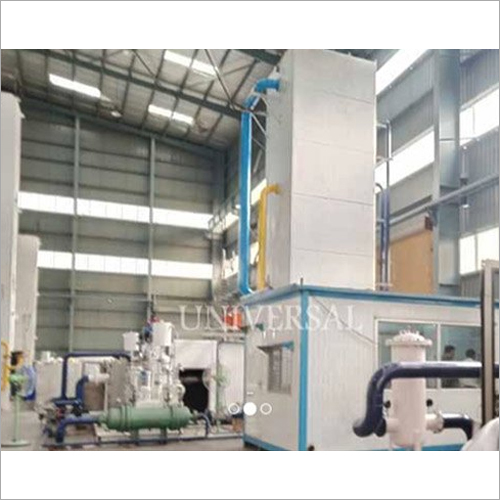
Tell us about your requirement

Price:
Quantity
Select Unit
- 50
- 100
- 200
- 250
- 500
- 1000+
Additional detail
Mobile number
Email

More Products in Oxygen Nitrogen Plant Category
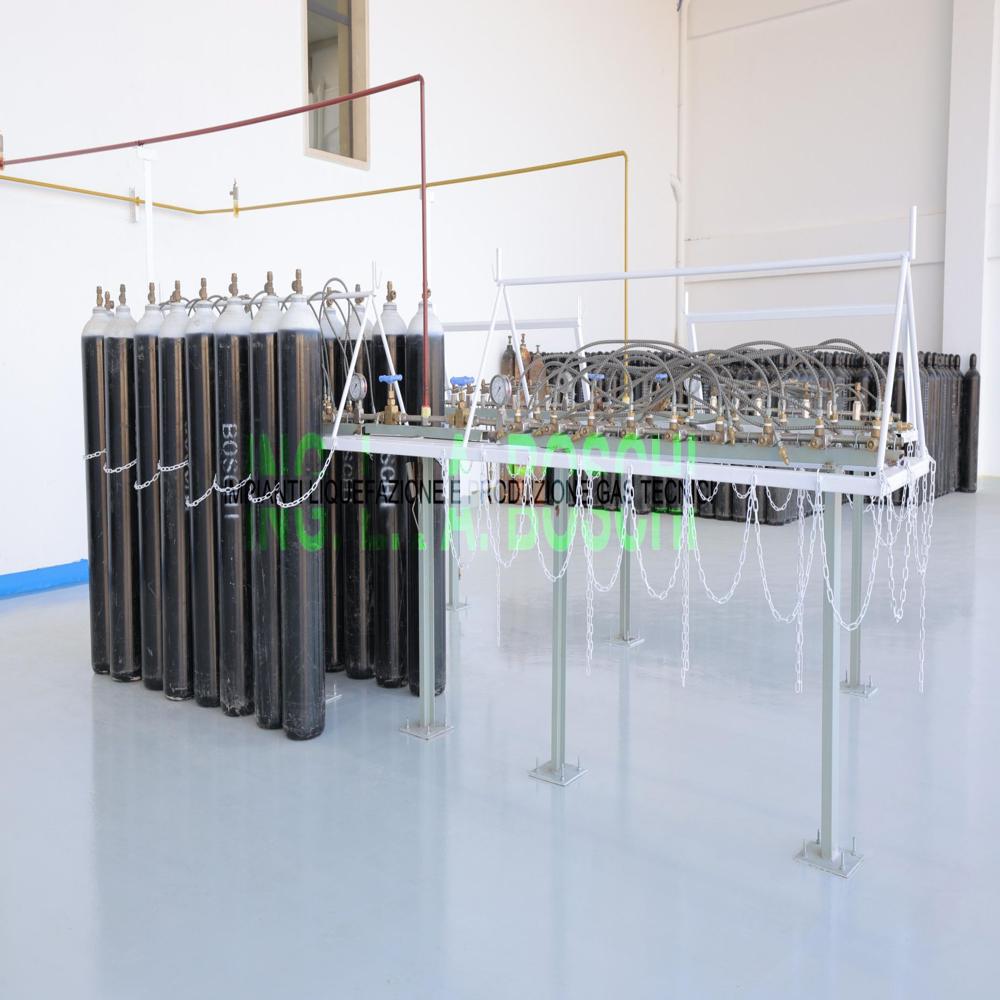
Oxygen Nitrogen Cylinder Filling Plant
Price 10000000.0 INR / Unit
Minimum Order Quantity : 1 Unit
Automatic Grade : Automatic
Type : Other, Oxygen Nitrogen Cylinder Filling Plant
Voltage : 380440 V
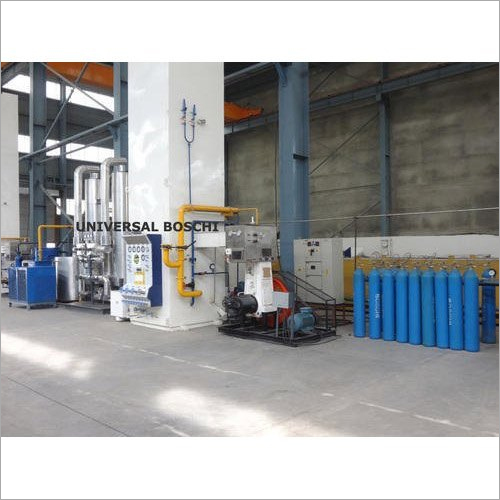
Oxygen Nitrogen Gas Plants
Minimum Order Quantity : 1 Unit
Automatic Grade : Automatic
Voltage : 440 Volt (v)
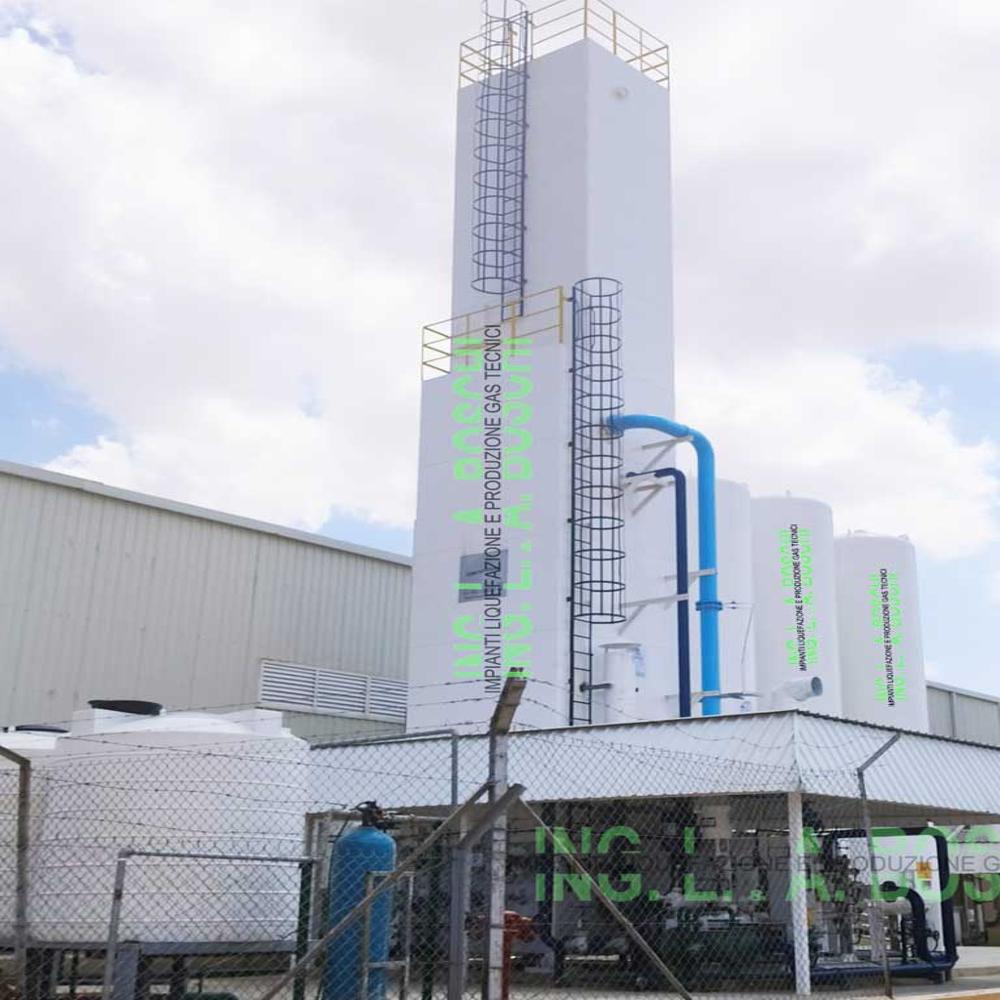
Liquid Oxygen Nitrogen Plants
Price 10000000.0 INR / Unit
Minimum Order Quantity : 1 Unit
Type : Oxygen Gas Plant

Our clients are spread out in a number of countries including Nigeria, bangladesh, Saudi Arabia, Nepal, Egypt, kenya, Indonesia, Yemen, ghana, Afghanistan, Somalia, Libea, Iraq, Iran, uganda, UAE, Oman, Qatar, Peru, Myanmar and Pakistan.

 Send Inquiry


Our Products


A-104/2, Okhla Industrial Area, Phase-2,New Delhi - 110020, India

Mr Jawaid Akhter
(Manager)
Mobile :08045813361
 Send Inquiry
 Send SMS
 Call Me Free
Developed and Managed by Infocom Network Private Limited.
 English
 Spanish
 French
 German
 Italian
 Chinese (Simplified)
 Japanese
 Korean
 Arabic
 Portuguese